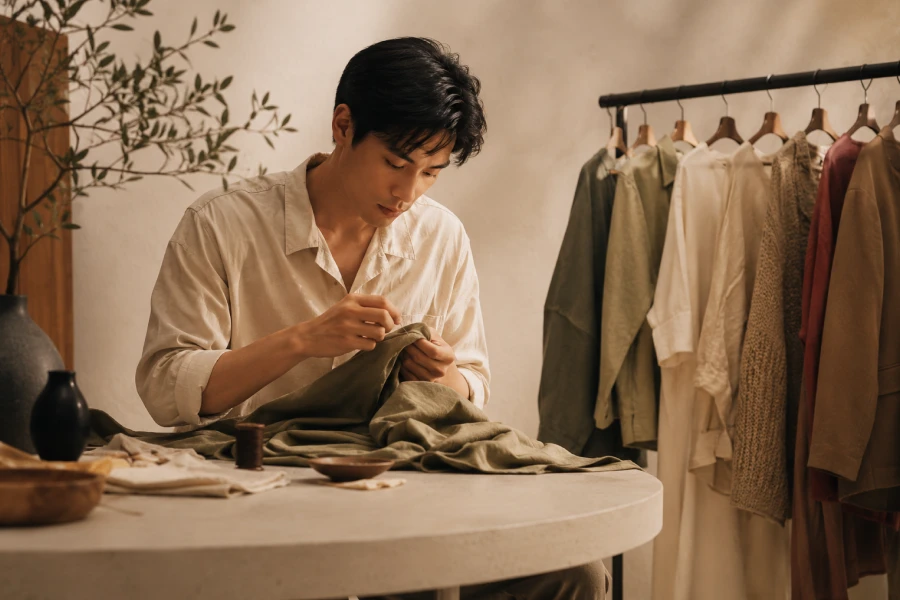
A closet can either protect silk or quietly undo good care. Light, pressure, trapped moisture, and careless folds leave their own record. That makes silk clothing storage part of wearing the garment well. The task begins when a piece comes off, not months later. Fresh air, space, and the right support reduce unnecessary stress. A beautiful closet is useful when it also respects fabric. You do not need rows of matching containers to achieve that. You need a few reliable choices that fit your space. Those choices help silk stay ready instead of becoming fragile. The reward is a wardrobe that feels easier to reach for.
Never store a silk piece while it still carries moisture, perfume, or body oil. Give it time to air after a short wear. Check the collar, underarms, and cuffs before deciding it is ready. Residue becomes more difficult to remove when it sits unnoticed. A clean garment also attracts less dust and fewer pests. Let lined pieces dry completely around hidden seams. Use breathable silk storage choices that encourage airflow instead of sealing fibers away. A cotton cover can protect from dust without locking in humidity. This first step protects your closet as much as your clothing. It makes every later storage decision more effective.
Silk performs best in a cool, dim, low-humidity setting. That does not require a specialist wardrobe room. It simply means avoiding hot attic shelves and damp bathroom cabinets. Leave enough room between garments for air to circulate. Crowded rails compress sleeves and create hard folds. Choose covers that breathe rather than glossy plastic bags. A well-placed silk garment care reminder can help you remember seasonal checks. Keep scented sachets from touching the fabric directly. Strong fragrance can transfer and become difficult to remove. Airflow is a small detail that makes a visible difference. With enough space, the closet becomes kinder to both fabric and routine.
The garment itself should decide whether it hangs or folds. Lightweight blouses may rest beautifully on padded hangers. Heavy knits and bias-cut slips often prefer careful folds. Use acid-free tissue at delicate creases when storing special pieces. Avoid thin wire hangers that pull at shoulders. Fold along natural lines instead of creating sharp new angles. Give long sleeves room so they do not twist behind other garments. Store scarves flat when possible, especially if their edges are delicate. A little structure prevents a closet from becoming a pressure chamber. The right method keeps the piece feeling balanced when you unfold it.
Seasonal rotation is a chance to inspect before problems grow. Remove each piece with clean, dry hands. Look for dust, loose threads, fading, and missed stains. Refold garments so the same crease does not take every season. Move occasion pieces slightly forward before important months arrive. This is also the moment to reassess whether a hanging piece has stretched. Use silk preservation tips when you want a consistent review process. Give rarely worn items a little daylight-free air. Return them only after you have checked every layer. Regular rotation feels lighter than one overwhelming annual project. In this way, the closet protects the material even while nobody is looking.
A pretty closet can still create unhelpful conditions for silk. Windows bring light that slowly changes deep dyes. Exterior walls can hold dampness after weather shifts. Packed shelves can trap heat around folded garments. Wooden drawers may need a clean cotton liner for extra protection. Keep shoes and rough accessories away from exposed silk. Check for insects before adding a seasonal stack. Avoid direct contact with cedar, plastic, and adhesive labels. Small barriers preserve texture without complicating your routine. The goal is a stable resting place, not a precious display. That stability safeguards sheen, drape, and color between one occasion and the next.
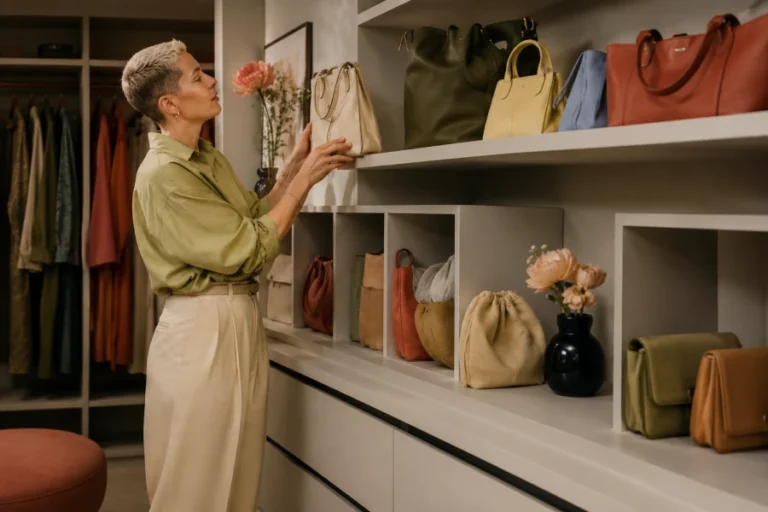
Good storage removes friction from getting dressed. You can see each color, shape, and fabric without digging. That visibility makes you more likely to wear the pieces you already value. Place frequently used silk within an easy reach zone. Keep special garments protected nearby instead of hidden forever. A simple hanging and folding map prevents last-minute reshuffling. Revisit it whenever the season or your schedule changes. The closet begins to support personal style rather than interrupt it. Better access also reveals when a repair or cleaning task needs attention. In that way, organization becomes part of care. Organization also reduces the temptation to leave special items forgotten for years.
Silk deserves a resting place as considered as its design. The best system lets fabric breathe, stay dry, and avoid heavy pressure. It does not need expensive organizers or perfectly symmetrical shelves. It needs a steady environment and a repeatable habit. Start with clean clothing and make each decision on purpose. Fold heavy pieces, hang lighter ones, and adjust by season. Keep harsh light, moisture, and rough materials at a distance. Then check in before the closet feels crowded again. Those small moves preserve the details that make silk special. More importantly, they keep your wardrobe ready for ordinary life.


Leave a comment