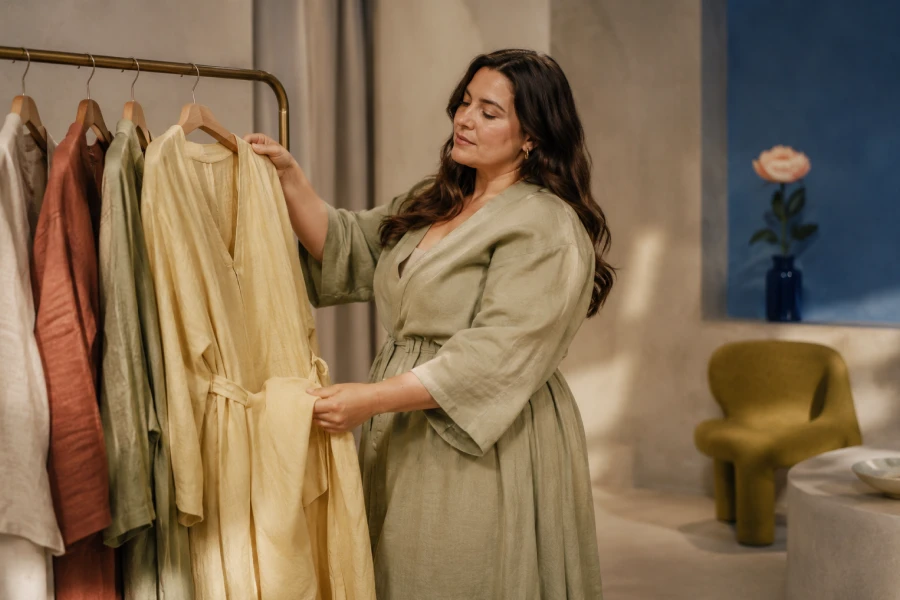
Style often feels clearer when buying becomes less automatic. A slower approach creates room to notice what already works. Sustainable fashion habits make that pause practical rather than restrictive. They shift attention from constant acquisition to better use. The change can start with one week of observing your choices. You may notice duplicate colors, ignored tags, or outfits you repeat happily. Those details are not mistakes; they are useful clues. Strong habits simplify decisions instead of adding rules. They protect both your budget and your attention. Over time, the closet feels lighter because your choices become more deliberate. Over time, that awareness makes every existing piece easier to appreciate.
The most important moment may happen before you buy anything. Put a desired item on a waiting list instead of purchasing immediately. Return after a few days and assess it again. Ask what it will replace, pair with, or solve. Check whether a similar piece already lives in your closet. Use mindful clothing purchases to turn a quick craving into a clearer decision. Notice if the appeal depends on a trend you may not keep. Consider fit, fabric, care, and future repair. That pause gives your own preferences time to speak. It also makes the occasional purchase feel more intentional.
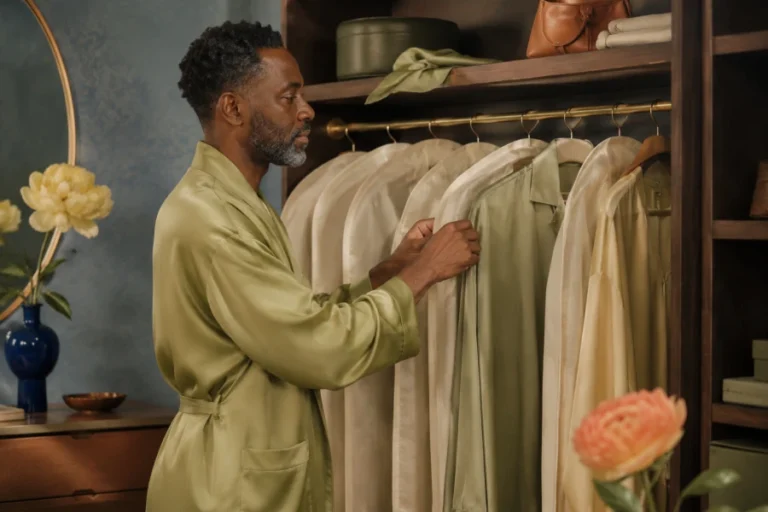
Repeating clothes becomes easier when you collect good combinations. Keep a photo album or simple note of outfits that worked. Use outfit repeating ideas to refresh a familiar base with small changes. Swap shoes, add a layer, or change the proportion. Let a favorite pair of trousers appear more than once each week. People notice confidence more than repetition. Rewearing reveals which pieces deserve care and repair. It also highlights what remains difficult to style. That information helps you avoid random purchases. Repetition turns existing clothes into a richer resource. Those simple variations protect style from becoming dependent on constant novelty.
A pause can improve style as much as it improves spending. It gives you time to imagine a piece in real life. Try it with the outfits you already own, not only with a store display. Leave online carts overnight before checking out. Borrow a similar item when possible. Visit your closet before visiting another website. Ask which emotion is driving the purchase. Sometimes the answer is boredom, stress, or an upcoming event. Those needs may call for styling, rest, or planning instead. The pause returns choice to the center of the process. When buying is not the default answer, more creative options become visible.
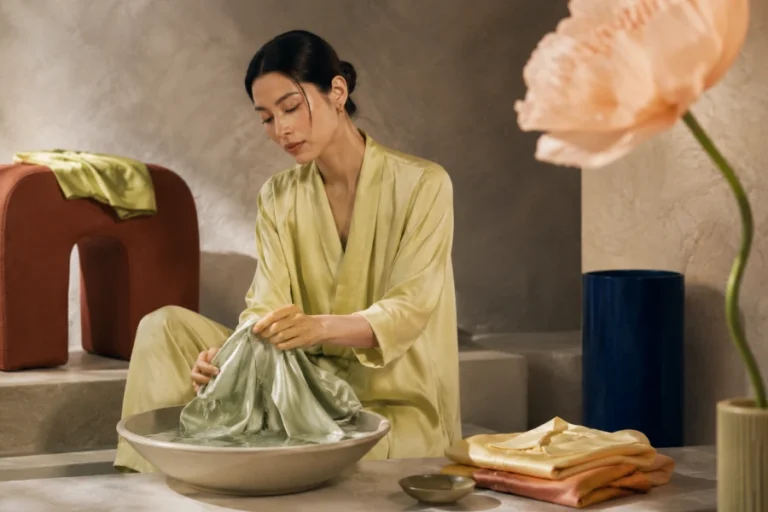
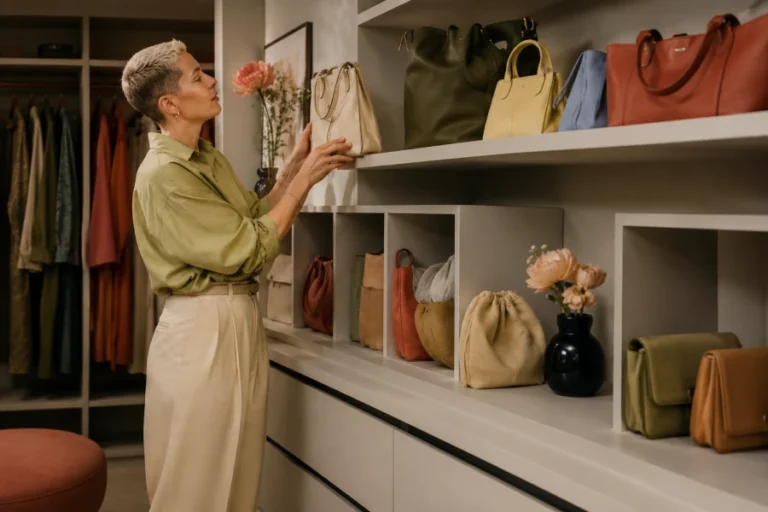
Clothing stays in rotation longer when care feels accessible. Learn basic repairs for hems, buttons, and small seams. Set aside one basket for garments that need attention. Use clothing repair habits before replacing something with a minor flaw. Wash according to labels instead of habit. Air items between wears when they do not need a full wash. Store shoes and bags so they retain their shape. Treat maintenance as part of buying well. Each repair extends the story of a piece you already chose. That practice makes quality more visible over time. Maintenance gives the clothes you love a fair chance to remain useful.
A spending limit can make style choices more creative. When every purchase has a cost, comparison becomes more useful. Consider cost per wear, repair potential, and versatility. Keep a short list of true wardrobe needs. Do not let sales create needs that did not exist yesterday. Save for items that solve several outfit problems. Spend less on duplicates that offer the same function. Budget clarity can reduce the pressure to keep up. It also makes room for better materials when they matter. The result is a wardrobe shaped by value, not urgency. Clear limits make it easier to distinguish a meaningful purchase from a temporary distraction.
No habit survives if it ignores real life. Travel, weather, body changes, and special events all require adjustment. Let your system stretch without abandoning its purpose. Buy something new when it truly supports your life. Accept that not every piece will be worn forever. Donate, resell, or recycle responsibly when an item is finished with you. Review your closet after seasons rather than policing it daily. Keep the practices that save energy and drop the ones that feel performative. Flexibility protects the habit from becoming punishment. That is how a slower style approach lasts. Flexible systems are stronger because they make room for changing needs.
Better fashion habits do not require a strict uniform or a joyless closet. They ask you to slow the buying impulse long enough to make a real choice. Repeat outfits because they work, not because you have run out of ideas. Care for what you own and repair what deserves another season. Set a budget that supports your values and routine. Leave room for change when life shifts. The point is not to own as little as possible. It is to make each item work harder and feel more intentional. Those choices can make style feel freer, not smaller. They keep the wardrobe focused on the person wearing it.

Leave a comment